A novel. My third.
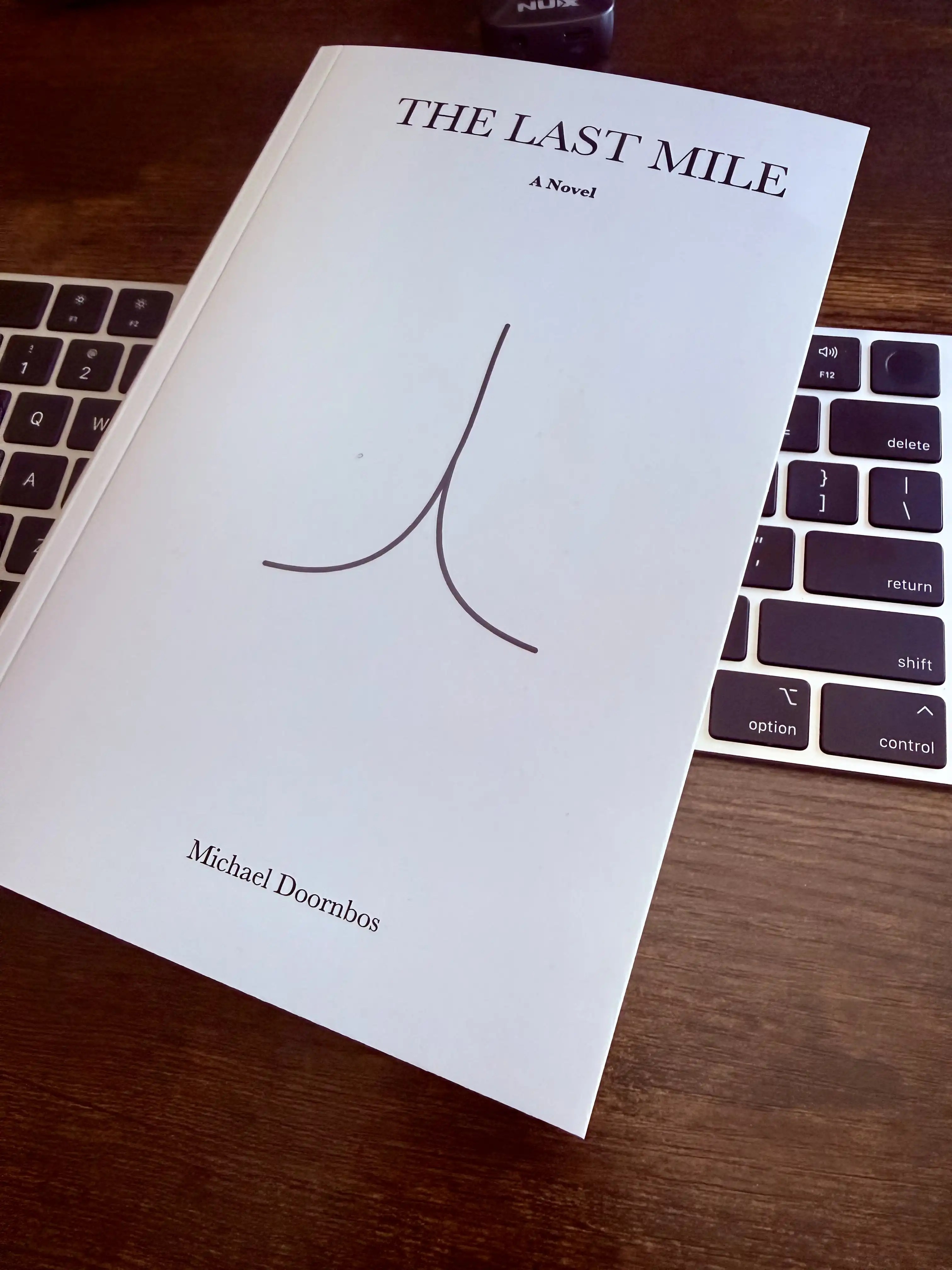
The first one was about five years ago. It has every problem you’d expect from someone who’d never written fiction. Flat dialogue, scenes that wander, characters that exist to serve the plot instead of the other way around. The bones are good, though. There’s a real story in there. I just didn’t know how to tell it yet.
The second was last November. Twenty-nine days, start to finish. Better, but the middle act drags, the villain is a cardboard cutout, and the romantic thread pays off too early, robbing the ending of the tension it needs. I learned more about pacing from writing that book than from anything I’ve read about writing.
This one I started in mid-February. A genre I don’t normally read, and I read a lot. I wanted to see what happens when you can’t lean on familiar patterns. And it turns out that’s where the real work is. Every scene forced me to think harder because I couldn’t coast on instinct. I noticed things about structure and rhythm I’d never have caught writing in a genre I’ve already internalized.
122,000 words in a month (424 pages). Around 4,000 words a day, mostly on breaks from work and in the evenings.
Somewhere around 60%, it all fell apart. It always does. You’re too deep to start over, not close enough to the end to see the shape of it, and every sentence feels wrong. You start to think maybe the whole thing was a mistake. That’s the wall. The trick is knowing the wall is normal and writing through it anyway, because the other side is where the book starts to come together. Pieces that seemed disconnected start clicking. Threads you planted fifty pages ago suddenly pay off. That feeling is hard to describe. It’s like the book knows something you don’t, and it’s been waiting for you to catch up.
I read through it twice when I was done. This is the first time I’ve been happy at the end. Not “happy for a first attempt.” Just happy.
The two main characters have clear arcs, and I identify with both, which is probably why I keep rereading it. That’s also the biggest problem. One of them has too much of me in it. I can feel it when I’m reading. The character stops being a character and starts being a journal entry with dialogue. A reader wouldn’t know that, but I do, and it pulls me out. Figuring out how to put yourself into a character without making them you is something I haven’t solved yet.
I don’t have aspirations to be a fiction writer. I’ve been writing online for 25 years, and I’m good with that. This was about learning the craft of storytelling by actually doing it. Writing bad scenes and sitting with them until I figured out why they were bad. There’s a feel for tension and pacing you can only get that way.
And it was about finishing something long and hard. Showing up every day for a month to the same project, through the parts that felt broken, through the days when I wanted to start something else, through the wall at 60%.
I got one copy printed. It’s amazing that you can get a book printed and bound for $19, including shipping. Nobody else is going to read it. That was never the point. But the progression from book one to three is clear, and each one is a different kind of better. The first taught me structure. The second taught me speed. This one is the first thing I’ve written that I actually want to reread.